

Why Sunlight Is Essential for Healthy Plants
Sunlight is crucial for photosynthesis, nutrient absorption, and overall plant health. Without adequate light, even properly fertilized plants can become weak, leggy, and pale, and may fail to produce flowers or fruit. By understanding your plants’ sunlight needs, you can maximize fertilizer effectiveness and promote strong, healthy growth.
What Is Full Sun?
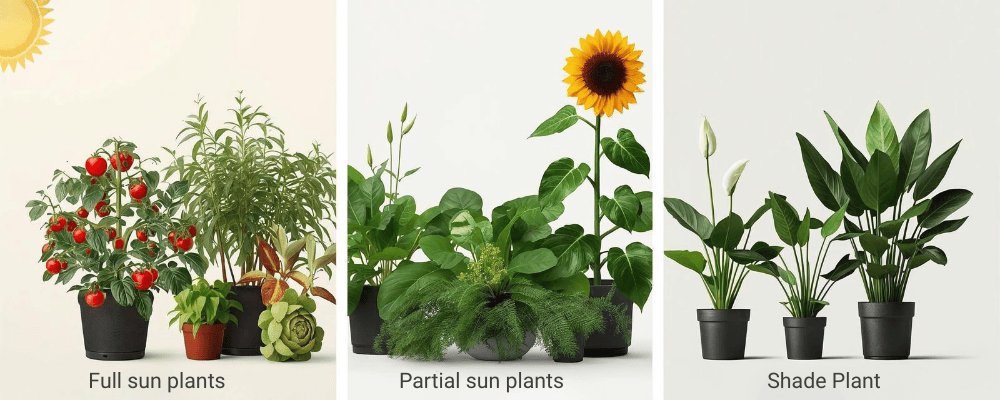
Full sun refers to plants that need 6–8 hours of direct sunlight each day. These plants thrive in bright, unobstructed sunlight and usually have higher nutrient requirements.
Examples of Full Sun Plants:
- Tomatoes
- Chili peppers
- Roses
- Sunflowers
What Are Partial Sun and Partial Shade Plants?
Partial sun or partial shade plants require 3–6 hours of direct sunlight per day, typically in the morning or late afternoon. They tolerate some shade but still need enough sunlight to grow properly.
Examples of Partial Shade Plants:
- Lettuce
- Spinach
- Herbs like mint and parsley
Shade-Loving Plants: Low Light Requirements
Shade plants thrive with less than 3 hours of direct sunlight daily. They are ideal for indoor areas, under trees, or shaded garden spots.
Examples of Shade Plants:
- Ferns
- Peace lilies
- Snake plants
How Sunlight Affects Fertilizer Absorption
Sunlight exposure directly influences how plants use nutrients:
- Full sun plants use fertilizer faster and may require more frequent feeding.
- Shade plants need less fertilizer to avoid nutrient buildup.
- Low light conditions can lead to fertilizer accumulation in the soil, potentially harming plants.
Pro Tip: Adjust fertilizer application according to your plant’s sunlight exposure to ensure optimal growth.
Signs Your Plant Isn’t Getting Enough Sunlight
Watch for these indicators of insufficient sunlight:
- Long, leggy stems
- Pale or yellowing leaves
- Weak flowering or fruit production
Conclusion:
Understanding whether your plant needs full sun, partial shade, or shade is essential for healthy growth. Providing the right light ensures your plants can absorb nutrients effectively, thrive, and reach their full potential.