
A Quick & Easy Guide
For new gardeners, tackling common plant issues can feel intimidating. But most problems are easily solved with careful observation and simple adjustments. Paying attention to leaf color, growth patterns, and watering habits helps identify issues early. Using the right fertilizer, soil, and light conditions often solves most problems. With patience and a little experimentation, beginners can quickly learn to keep their plants healthy and thriving.
Even well-cared-for plants can sometimes struggle. The key to healthy growth is spotting problems early and understanding what your plants are trying to tell you. Below are common plant issues explained in a simple, practical way, along with examples and easy solutions to diagnose your plant quickly.
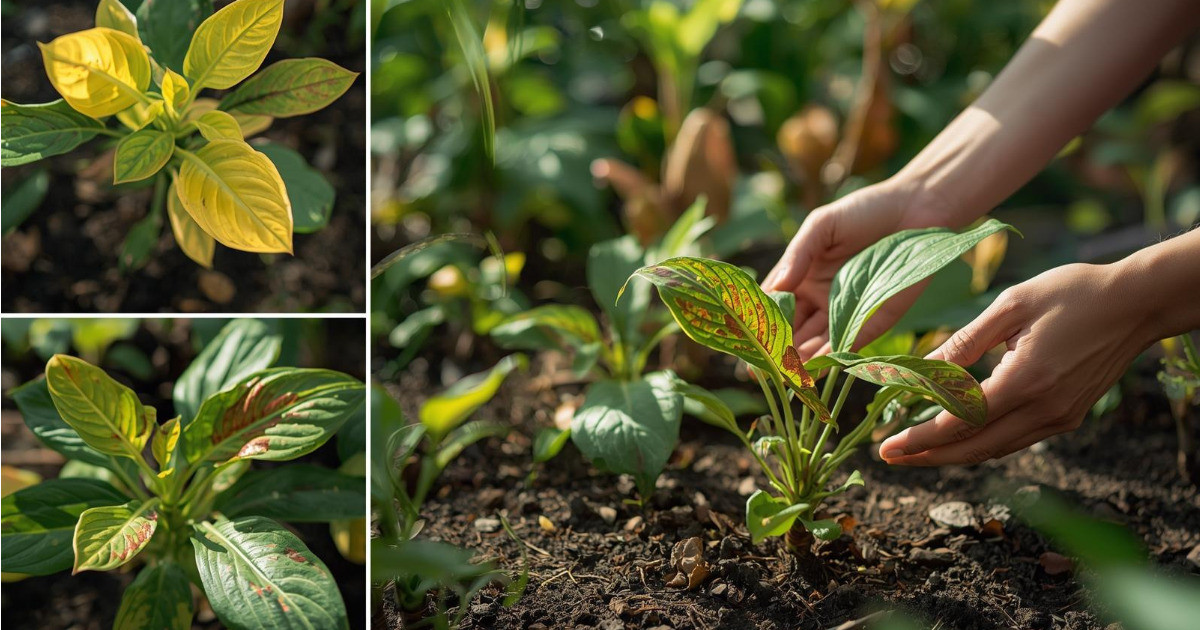
1. Yellowing Leaves
Yellow leaves are often a sign of nutrient deficiency or watering problems.
- Lower leaves turning yellow may indicate a lack of nitrogen.
- Yellowing between veins can point to an iron deficiency.
Solution: Use a balanced fertilizer and adjust your watering habits to restore healthy green leaves.
2. Wilting Plants
If plants wilt even when the soil is moist, the issue may be poor drainage or root stress.
- Overwatered potted plants, such as tomatoes or herbs, often wilt because roots cannot breathe.
Solution: Improve drainage and allow soil to dry slightly between watering to help plants recover.
3. Brown Leaf Tips or Edges
Brown, crispy edges often result from underwatering, excess fertilizer, or potassium deficiency.
- This symptom is common in houseplants and container vegetables.
Solution: Reduce fertilizer strength and maintain consistent watering to prevent further damage.
4. Slow or Stunted Growth
Plants that remain small or grow slowly may lack essential nutrients, especially phosphorus.
- For example, young vegetable seedlings with weak stems often need better nutrition.
Solution: Apply a nutrient-rich fertilizer and improve soil quality to encourage stronger growth.
5. Poor Flowering or Fruit Set
Healthy plants with few flowers or fruits usually receive too much nitrogen.
- Leafy growth may look good, but blooms suffer—a common issue in tomatoes and flowering plants.
Solution: Switch to a fertilizer designed for flowering and fruiting to balance growth.
6. Leaf Spots or Discoloration
Spots, patches, or unusual coloring can indicate disease, pest damage, or nutrient imbalance.
- For instance, fungal spots often appear on leaves in humid conditions.
Solution: Improve air circulation and avoid wet leaves during watering to reduce the problem.
Final Tips for Healthy Plants
The best way to prevent plant issues is observation and early intervention. Watch your plants regularly, adjust care routines as needed, and use fertilizers, soil, and watering practices suited to your plant type. With consistent attention, your garden can thrive and flourish in no time!