
Why Soil is More Than Just "Dirt"
Many gardeners focus entirely on what's happening above the surface: the vibrant blooms, the lush leaves, and the ripening fruit. However, the secret to a thriving garden lies hidden beneath your boots. Understanding your soil is the most critical step toward long-term gardening success.
Soil is a living, breathing ecosystem. It provides the structural support, water, and nutrients your plants need to survive. When your soil is balanced, plants can easily fight off pests and diseases. When it’s neglected, even the most expensive plants will struggle to survive.
The Three Pillars of Soil Health
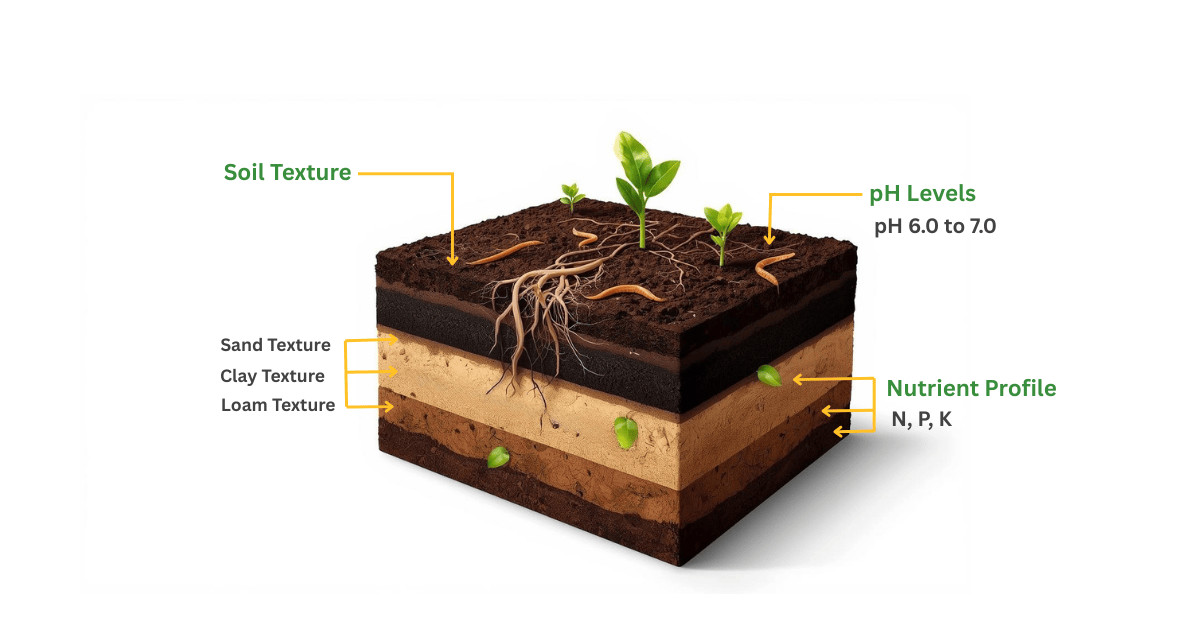
To truly understand your soil, you need to look at three main factors: texture, pH levels, and nutrient profile.
1. Texture (The Feel)
Is your soil sandy, clay-heavy, or loamy?
- Sand: Drains quickly but loses nutrients fast.
- Clay: Holds nutrients well but can drown roots due to poor drainage.
- Loam: The "Goldilocks" of soil, balanced and ideal for most plants.
2. pH Levels (The Chemistry)
Soil pH measures how acidic or alkaline your ground is. Most garden plants prefer a slightly acidic to neutral range (pH 6.0 to 7.0). If the pH is off, plants may be unable to "drink" the nutrients present in the soil.
3. Nutrient Profile (The Food)
Plants require a mix of macronutrients such as Nitrogen (N), Phosphorus (P), and Potassium (K) along with micronutrients like calcium and magnesium.
How to Improve Your Soil
Once you understand what your soil is lacking, you can take action:
- Add Organic Matter: Compost or other organic material improves the texture of both sandy and clay soils.
- Use High-Quality Fertilizer: Fertilizers tailored to your soil’s specific needs can bridge the gap between a struggling garden and a professional-grade landscape.