
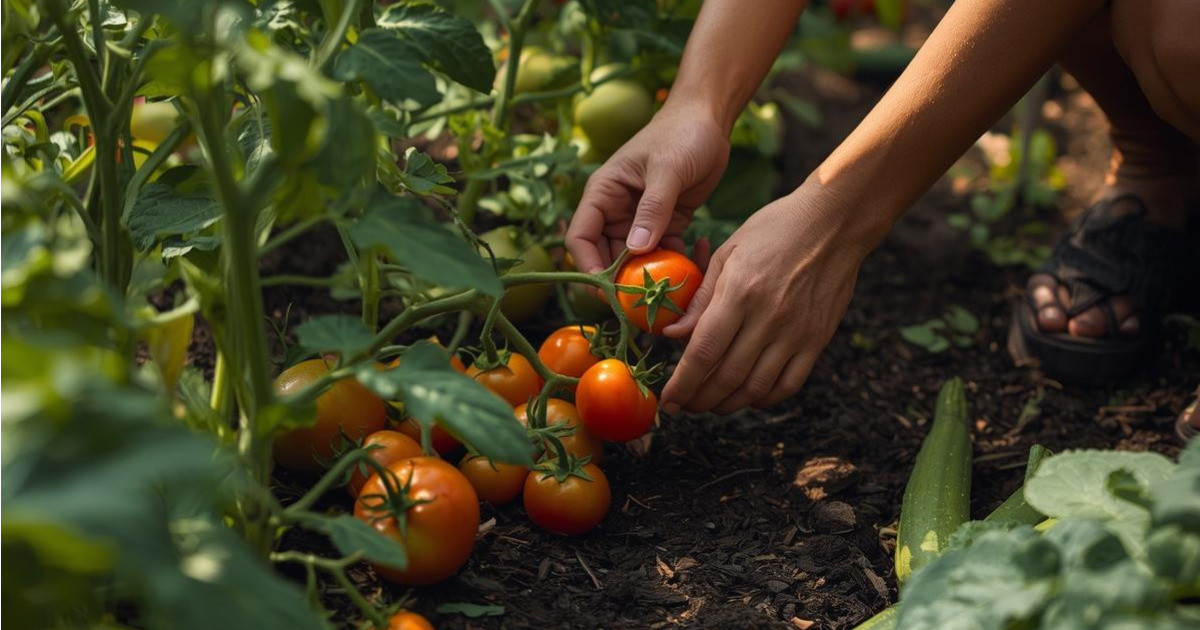
What is Urban Gardening?
Urban gardening has its roots in necessity as much as creativity. In the late 19th and early 20th centuries, city residents began growing food in small plots to supplement household incomes and improve nutrition, especially during times of economic hardship. This practice expanded during both World Wars through “victory gardens”, where urban spaces were transformed into productive food-growing areas to support national food supplies.
Over time, urban gardening evolved beyond survival, becoming a movement focused on sustainability, community building, and reconnecting people with nature. Today, it continues to grow as cities seek greener, healthier, and more resilient living environments.
Urban living doesn’t mean giving up on gardening. With the right approach, even the smallest balconies, rooftops, patios, and windowsills can become productive green spaces. Urban gardening not only provides fresh produce and beautiful plants but also improves air quality, reduces stress, and connects people with nature.
Tips on Urban Gardening
With thoughtful planning, proper nutrition, and consistent care, city spaces can become thriving green retreats. Whether you’re growing herbs on a windowsill or vegetables on a rooftop, urban gardening offers a rewarding way to reconnect with nature right in the heart of the city!
Here are practical tips to help you succeed with urban gardening, no matter how limited your space may be:
1. Maximise Space
To make the most of your urban garden:
- Think vertically and creatively. Use wall planters, hanging baskets, and trellises to grow upward instead of outward.
- Choose compact or multi-harvest plants that thrive in small containers.
- Arrange pots on shelves or tiered stands, and use balconies, windowsills, and corners to turn even the smallest spaces into productive green areas.
2. Choose the Right Containers
- Select pots that match your plant size and have good drainage to prevent waterlogging.
- Use high-quality potting mix rather than garden soil, as it is lighter, drains well, and provides the right balance of nutrients for container-grown plants.
- Proper containers help avoid root rot and keep plants healthy.
3. Grow “City Plants”
- Opt for plants that suit limited space and minimal sunlight, such as:
- Herbs: Basil, Mint
- Leafy greens: Lettuce, Spinach
- Vegetables: Cherry Tomatoes, Peppers
- These plants adapt well to pots, are easy to maintain, and provide quick, rewarding harvests.
4. Sunlight and Watering Are Crucial
- Observe how many hours of sunlight your space receives. Place sun-loving plants in bright areas and shade-tolerant plants in lower light.
- Water consistently by checking soil moisture first, as containers dry out quickly.
- Water early in the morning or evening to keep plants healthy and stress-free.
5. Practice Sustainable Gardening
- Use compost, conserve water, and apply fertilizers responsibly.
- Sustainable practices not only improve plant growth but also support environmentally friendly city living.