
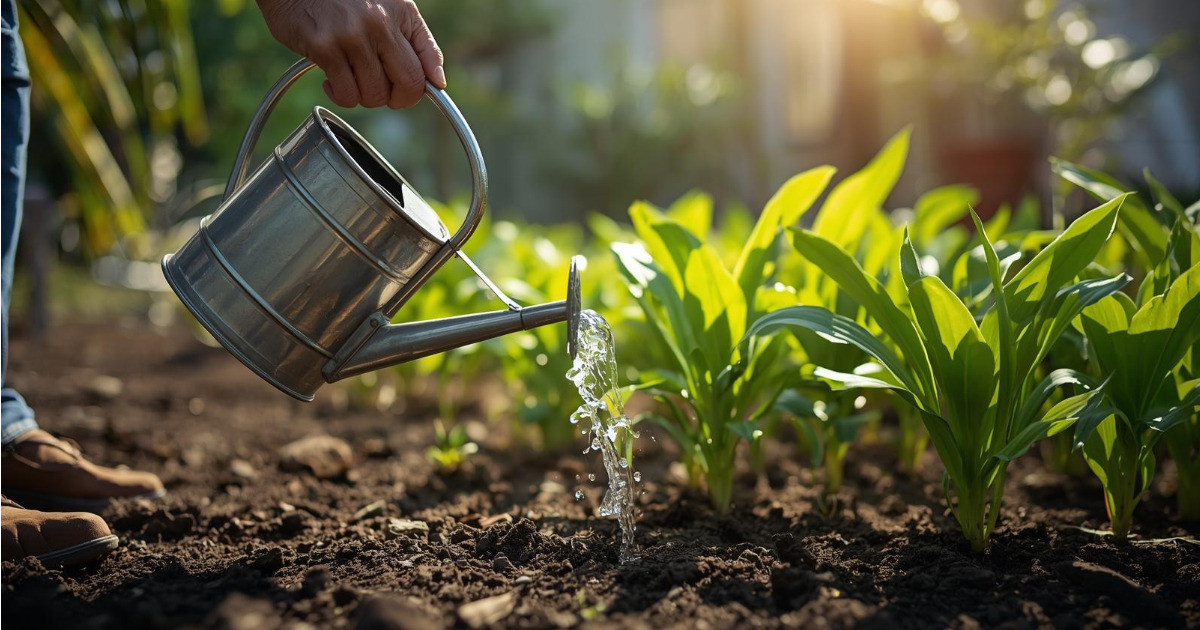
How Much and How Often to Water
Watering is one of the most important—and most misunderstood—parts of plant care. Too much or too little water can lead to weak roots, nutrient deficiencies, and poor growth. This guide explains how much to water, how often, and how watering affects fertilizer efficiency.
Why Proper Watering Is Important for Plant Growth
Water helps plants:
- Absorb nutrients from fertilizer
- Transport minerals from roots to leaves
- Maintain cell structure and prevent wilting
Without correct watering, even the best fertilizer cannot work effectively.
How Often Should You Water Plants?
Watering frequency depends on:
- Plant type: vegetables, flowers, shrubs
- Soil type: sandy soil drains faster than clay
- Weather and temperature
- Growing conditions: in-ground or potted
General guideline:
- Outdoor garden plants: 2–3 times per week
- Potted plants: when the top 2–3 cm of soil feels dry
Best Time of Day to Water Plants
The best time to water plants is early morning. This allows moisture to reach the roots before heat causes evaporation and helps prevent fungal diseases.
Watering Tips for Better Fertilizer Results
- Water lightly before applying fertilizer to prevent root burn
- Water again after fertilizing to help nutrients reach the roots
- Avoid watering until the soil is constantly soggy
Signs of Overwatering and Underwatering
Overwatering
- Leaves turn yellow
- Roots may rot, preventing oxygen and nutrient absorption
- Excess moisture encourages fungus or mold, increasing disease risk
Underwatering
- Plants wilt and lose firmness
- Soil may become dry and cracked, limiting root growth
- Plant growth slows due to insufficient water and nutrient uptake